- View
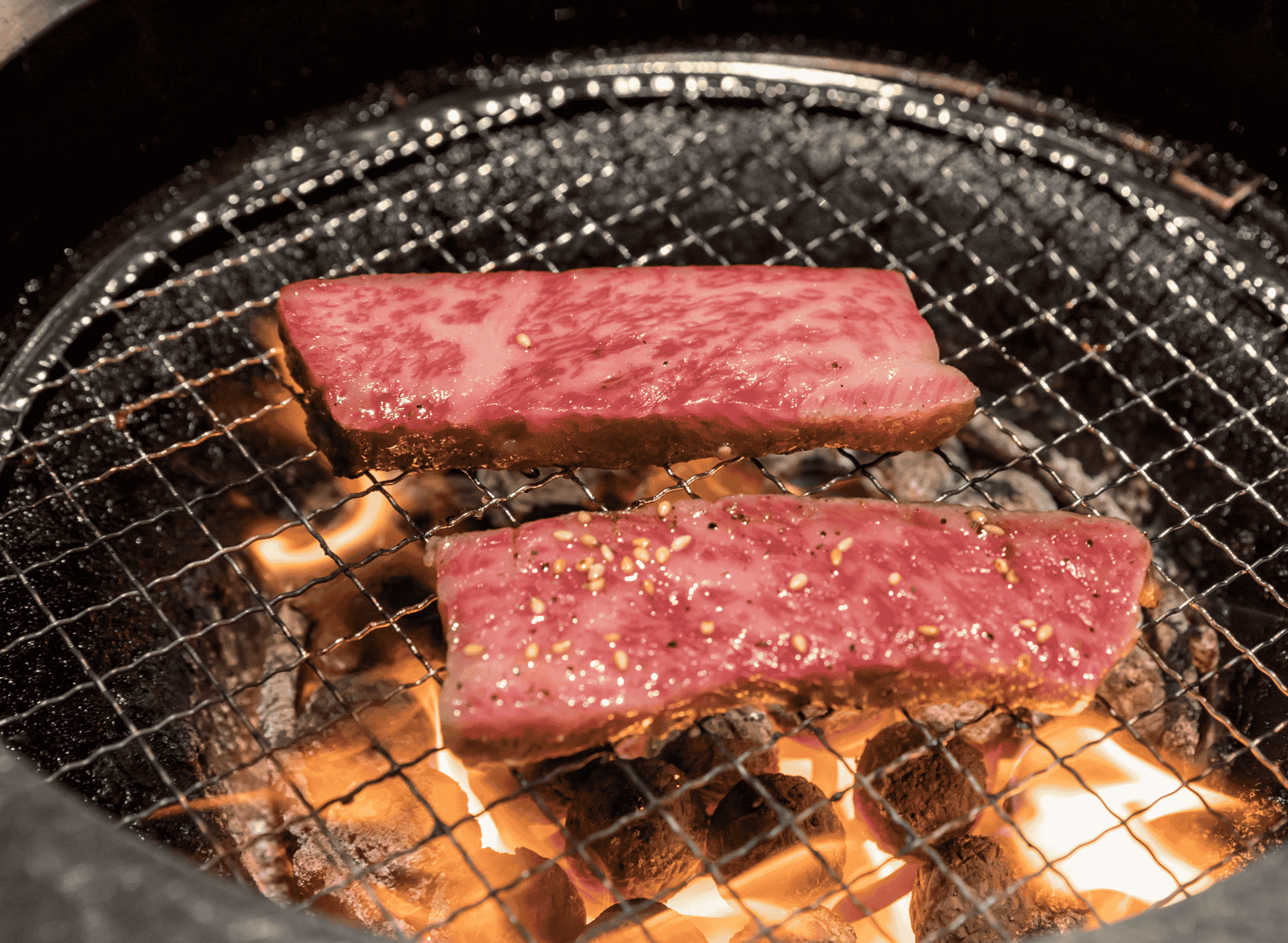
Japan’s dining culture thrives on interaction, and few experiences embody this better than yakiniku. The sound of meat sizzling over charcoal, the aroma of caramelising beef fat, and the simple pleasure of grilling your own dinner create something special.
Yakiniku translates directly to “grilled meat,” yet this straightforward name hardly does justice to the experience. This is dining as performance, where you become both cook and guest, carefully tending slices of marbled beef over glowing coals at your table.
Unlike many traditional Japanese foods with centuries of history, yakiniku represents something different: a relatively modern creation that has woven itself into the fabric of contemporary Japanese life. It’s comfort food and celebration rolled into one smoky, delicious package.
From bustling Tokyo neighbourhoods to quiet suburban restaurants, yakiniku joints welcome everyone from salary workers unwinding after long days to families marking special occasions. The beauty lies in its accessibility paired with genuine depth of flavour.
Want to dive deeper into Japanese Cuisine? Don’t miss our post on 26 Traditional Japanese Foods to Try
What Is Yakiniku?
Yakiniku centres on grilling bite sized pieces of meat over a charcoal or gas grill built into your dining table. You cook the meat yourself, piece by piece, controlling exactly how well done each morsel becomes before dipping it in sauce.
The experience unfolds at your own pace. You might start with lighter cuts like tongue or lean beef, gradually working towards fattier, richer pieces as your appetite builds. Each slice gets mere moments on the grill, just enough to develop char whilst staying tender.
Traditional yakiniku restaurants provide metal grills over binchotan charcoal, which burns cleanly at high temperatures and imparts a subtle smokiness. Modern establishments sometimes use gas or electric grills, though purists insist charcoal makes all the difference.
The setup encourages conversation and connection. You’re not simply waiting for food to arrive; you’re actively engaged in its preparation. Friends debate optimal cooking times, share perfectly grilled pieces, and bond over the shared ritual of the meal.
This interactive element transforms dinner into an event. The grill becomes a focal point, drawing people together as they navigate the delicate balance between achieving proper char and avoiding overcooking these premium cuts of meat.
Ingredients and Taste
Beef dominates yakiniku menus, with various cuts offering distinct textures and flavour profiles. Karubi, or short rib, brings rich marbling that melts into buttery sweetness when grilled. Harami, the skirt steak, delivers deeper, more robust beef flavour with a pleasantly chewy texture.
Tongue, sliced paper thin, offers surprising tenderness with a clean, almost delicate taste. Rosu, the ribeye or loin, provides that classic steakhouse satisfaction. Horumon, or organ meats, appeal to adventurous eaters with their unique textures and intense flavours.
Beyond beef, yakiniku restaurants typically offer pork belly, chicken, and sometimes seafood like prawns or squid. Vegetables such as shiitake mushrooms, peppers, onions, and kabocha squash provide refreshing contrast between richer bites of meat.
The dipping sauces play a crucial role. Tare, a sweet and savoury soy-based sauce with garlic, ginger, and sesame, remains the standard accompaniment. Many places also offer ponzu, a citrus spiked soy sauce that cuts through fatty richness beautifully.
Some diners prefer yakiniku shio style, where meat gets seasoned simply with salt and lemon rather than dipped in sauce. This approach lets the pure beef flavour shine through without distraction, particularly lovely with premium wagyu cuts.
The taste journey moves from delicate to intense as you progress through different cuts. Early bites might be subtle and refined, whilst later selections deliver bold, almost primal satisfaction. The contrast keeps your palate engaged throughout the meal.
Each piece develops a slightly different character depending on how long it spends on the grill. Some prefer a quick sear leaving the centre rare, whilst others enjoy a thorough char. This variability means every yakiniku experience feels personal and unique.
A Taste of History
Yakiniku’s origins reflect Japan’s complex relationship with meat eating. For centuries, Buddhist influence meant most Japanese avoided meat consumption. This changed dramatically during the Meiji era beginning in 1868, when the government actively encouraged Western dietary habits.
Korean immigrants in Japan during the early 20th century significantly shaped what became yakiniku culture. They brought traditions of grilling marinated meats, which merged with Japanese sensibilities about ingredients and presentation to create something distinct.
The term “yakiniku” itself gained widespread use after World War II. Post war Japan saw rapid social changes, and yakiniku restaurants provided affordable luxury as the economy recovered. They offered quality protein and a novel dining experience for a growing middle class.
By the 1960s and 1970s, yakiniku had firmly established itself in Japanese food culture. Restaurants proliferated across cities, each developing house specialities and signature sauces. The format proved perfect for group dining, aligning with Japanese business and social customs.
Interestingly, whilst Korean barbecue influenced yakiniku’s development, the two traditions evolved differently. Yakiniku emphasises the quality of unmarinated meat and post cooking sauce application, whereas Korean barbecue often features pre-marinated cuts with different accompanying dishes.
Today’s yakiniku spans from casual neighbourhood spots to high end establishments serving premium wagyu. The tradition continues adapting, with some restaurants now offering all you can eat formats whilst others focus on rare, expensive cuts for discerning enthusiasts.
How to Make Yakiniku (Grilled Meat)
Yakiniku, meaning “grilled meat,” celebrates the art of Japanese tabletop barbecue. Thinly sliced meats, often beef, are quickly grilled over charcoal or a hotplate, then dipped in savoury sweet tare sauce. Expect sizzling aromas, caramelised edges, and shared enjoyment around the grill. See the recipe card at the bottom for printable directions
Ingredients
For the Meat and Vegetables
- 600 g beef ribeye or short rib, thinly sliced
- 200 g chicken thigh, cut into bite sized pieces
- 1 small onion, sliced
- 1 courgette, sliced
- 1 red pepper, sliced
- 100 g shiitake mushrooms, halved
- 2 spring onions, finely sliced (for garnish)
For the Tare Sauce (Dipping and Marinade)
- 3 tbsp soy sauce
- 1½ tbsp mirin
- 1 tbsp sake
- 1 tbsp sugar
- 1 clove garlic, grated
- 1 tsp sesame oil
- 1 tsp toasted sesame seeds
For Serving
- Cooked Japanese rice
- Kimchi (optional)
- Fresh lettuce leaves (optional for wrapping)
Cooking Instructions
Step 1: Prepare the tare sauce
In a small saucepan, combine soy sauce, mirin, sake, sugar, and garlic. Bring to a gentle simmer for 2 minutes until the sugar dissolves. Remove from heat, stir in sesame oil and sesame seeds, and let cool completely. Reserve half the sauce for dipping and half for marinating.
Step 2: Marinate the meat
Place the sliced beef and chicken in separate bowls. Pour a small amount of cooled tare sauce over each, tossing gently to coat. Cover and refrigerate for 30 minutes. This allows the flavours to infuse without overpowering the natural taste of the meat.
Step 3: Prepare the vegetables
Arrange the sliced vegetables neatly on a large plate. Lightly brush them with a little sesame oil to prevent sticking and enhance flavour when grilled.
Step 4: Preheat the grill
Heat a tabletop grill, griddle pan, or cast-iron skillet over medium to high heat. Traditional yakiniku uses a charcoal grill, but a non-stick electric grill works beautifully at home. Ensure it is hot before placing the meat on.
Step 5: Grill the vegetables
Begin with the vegetables. Place onions, courgettes, peppers, and shiitake mushrooms on the grill. Cook for 2–3 minutes on each side until tender and lightly charred. Transfer to a serving plate.
Step 6: Grill the beef slices
Place a few slices of beef on the grill, avoiding overcrowding. Cook each side for about 30 seconds to 1 minute depending on thickness. The aim is a quick sear that keeps the meat juicy and tender.
Step 7: Grill the chicken
Next, add the chicken pieces. Cook for 2–3 minutes per side until golden brown and fully cooked. Adjust the heat slightly lower if necessary to avoid burning.
Step 8: Serve at the table
Arrange the cooked meats and vegetables on separate platters. Place bowls of rice, tare dipping sauce, and optional kimchi or lettuce on the table for everyone to assemble their portions.
Step 9: Garnish and finish
Sprinkle the grilled meats with finely sliced spring onions. For extra aroma, drizzle a touch of sesame oil just before serving.
Step 10: Enjoy together
Yakiniku is best enjoyed straight from the grill, with guests cooking small portions as they go. Share the experience, alternating bites of smoky meat with rice or crisp vegetables for perfect balance.
Variations and Substitutions
- Meat choices: Pork belly, lamb, or seafood such as prawns can replace beef or chicken.
- Vegetables: Try aubergine, asparagus, or pumpkin for variety.
- Tare substitute: Mix soy sauce, brown sugar, rice vinegar, and sesame oil if mirin or sake is unavailable.
- Grill alternative: A heavy pan or oven grill works well if you do not have a tabletop grill.
Cooking Tips for Perfect Yakiniku
- Slice meat thinly across the grain for tenderness.
- Chill marinated meat briefly before grilling to help it sear evenly.
- Avoid overloading the grill; cook in small batches for the best caramelisation.
- Keep a small brush to reapply tare sauce during grilling for deeper flavour.
- Serve with freshly steamed rice to balance the rich grilled taste.
How to Store and Reheat
Storing Leftover Yakiniku
Raw yakiniku meat should remain refrigerated until grilling time. If dining at home and you’ve prepared more than needed, keep uncooked portions in their original packaging or transfer to airtight containers. Use within one to two days for optimal freshness and safety.
Cooked yakiniku rarely survives the meal, as most people grill only what they’ll eat immediately. However, if you do have leftovers, let them cool to room temperature within two hours. Store in sealed containers and refrigerate promptly.
Properly stored cooked yakiniku keeps for up to three days refrigerated. The texture will change as the meat continues cooking in its residual heat and the exterior dries slightly, but it remains perfectly safe and reasonably tasty.
Reheating Previously Grilled Meat
Reheating grilled yakiniku presents challenges since the meat was already cooked to preference. Additional heat easily pushes it past your desired doneness, turning tender bites tough and dry. Gentle methods work best for preserving quality.
A hot frying pan offers decent results. Heat it briefly, add a tiny amount of oil, then quickly sear the meat on each side for perhaps 30 seconds total. This warms it through whilst adding fresh caramelisation without overcooking the interior.
Alternatively, use your oven set to a low temperature around 120°C. Place meat on a baking tray and warm for five to eight minutes. This gradual heating proves gentler than stovetop methods, though you sacrifice that freshly grilled char.
Microwaving works in a pinch but often leaves meat rubbery. If you must use one, employ the lowest power setting and heat in 15 second intervals, checking frequently. Cover the meat with a damp paper towel to prevent excessive moisture loss.
Creative Uses for Leftovers
Rather than simply reheating, consider repurposing leftover yakiniku in new dishes. Chop it finely and fold into fried rice with vegetables and egg. The charred flavour adds wonderful depth to this simple preparation.
Leftover yakiniku also works beautifully in rice bowls. Warm it gently, then arrange over steamed rice with kimchi, spring onions, and a raw or fried egg on top. The runny yolk creates a luxurious sauce that ties everything together.
You might also add cold leftover yakiniku to salads for protein packed lunches. The grilled flavour pairs nicely with crisp lettuce, cucumber, and a sesame dressing. This approach actually benefits from the meat being chilled rather than reheated.
Yakiniku (Japanese Grilled Meat)
Ingredients
For the Meat and Vegetables
- 600 g beef ribeye or short rib thinly sliced
- 200 g chicken thigh cut into bite sized pieces
- 1 small onion sliced
- 1 courgette sliced
- 1 red pepper sliced
- 100 g shiitake mushrooms halved
- 2 spring onions finely sliced (for garnish)
For the Tare Sauce (Dipping and Marinade)
- 3 tbsp soy sauce
- 1½ tbsp mirin
- 1 tbsp sake
- 1 tbsp sugar
- 1 clove garlic grated
- 1 tsp sesame oil
- 1 tsp toasted sesame seeds
For Serving
- Cooked Japanese rice
- Kimchi optional
- Fresh lettuce leaves optional for wrapping
Instructions
- In a small saucepan, combine soy sauce, mirin, sake, sugar, and garlic. Bring to a gentle simmer for 2 minutes until the sugar dissolves. Remove from heat, stir in sesame oil and sesame seeds, and let cool completely. Reserve half the sauce for dipping and half for marinating.
- Place the sliced beef and chicken in separate bowls. Pour a small amount of cooled tare sauce over each, tossing gently to coat. Cover and refrigerate for 30 minutes. This allows the flavours to infuse without overpowering the natural taste of the meat.
- Arrange the sliced vegetables neatly on a large plate. Lightly brush them with a little sesame oil to prevent sticking and enhance flavour when grilled.
- Heat a tabletop grill, griddle pan, or cast-iron skillet over medium to high heat. Traditional yakiniku uses a charcoal grill, but a non-stick electric grill works beautifully at home. Ensure it is hot before placing the meat on.
- Begin with the vegetables. Place onions, courgettes, peppers, and shiitake mushrooms on the grill. Cook for 2–3 minutes on each side until tender and lightly charred. Transfer to a serving plate.
- Place a few slices of beef on the grill, avoiding overcrowding. Cook each side for about 30 seconds to 1 minute depending on thickness. The aim is a quick sear that keeps the meat juicy and tender.
- Next, add the chicken pieces. Cook for 2–3 minutes per side until golden brown and fully cooked. Adjust the heat slightly lower if necessary to avoid burning.
- Arrange the cooked meats and vegetables on separate platters. Place bowls of rice, tare dipping sauce, and optional kimchi or lettuce on the table for everyone to assemble their portions.
- Sprinkle the grilled meats with finely sliced spring onions. For extra aroma, drizzle a touch of sesame oil just before serving.
- Yakiniku is best enjoyed straight from the grill, with guests cooking small portions as they go. Share the experience, alternating bites of smoky meat with rice or crisp vegetables for perfect balance.